
What Climbing Mt Kiliimanjaro Can Teach Us For Better Pickleball
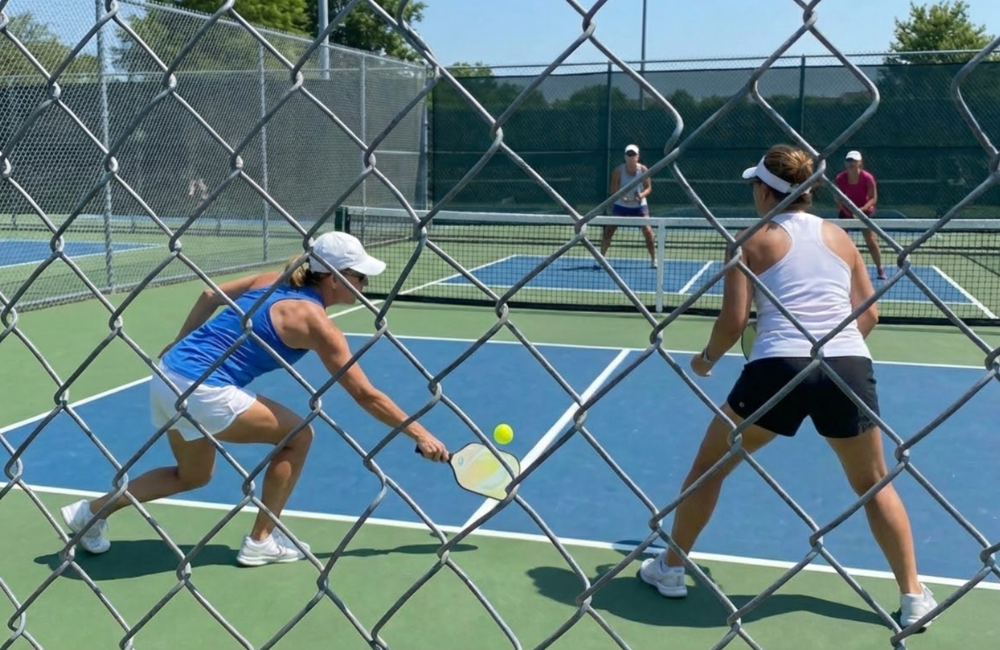
Climbing Kilimanjaro teaches you one word that should live in every pickleball player’s vocabulary: pole pole, “slow, slow.” On the mountain, guides repeat it to remind trekkers that steady pace, patience, and careful timing beat frantic bursts. On the court, the same calm wisdom wins points.
Start with the kitchen approach. Too many players sprint forward after the third‑shot like they’re racing the sunrise, only to have a blistering return land at their feet and they lose the point. Move pole pole instead: inch forward with intent, read the return, and commit only when the moment’s right. Hanging back a few stesp gives you better balance, a more solid base, and a higher chance to execute a controlled third, or fifth or seventh shot drop.
The same holds true once you get to the kitchen, pole pole (pronounced poe-lay, poe-lay), be patient, take your time and wait for the right ball to attack. Dinking back and forth? Let them be the one to rush and try to attack a low ball. You or your partner will be ready to pounce.
Next, acclimatize your game. On Kili, altitude demands gradual progress and smart pacing. In pickleball, don’t expect to sprint through a 90‑minute rotation without preparation. Warm up like you’re slowly gaining elevation: mobility, footwork, short dinking sequences, then progressive volleys. Your muscles and nervous system “acclimate” and you’ll avoid early fatigue and sloppy shots.
Respect pacing and recovery. Climbers schedule rest days and hydrate; pickleballers should, too. Short breaks, hydration, and quick mobility between games keep you performing and reduce injury risk. Think of tart cherry smoothies and foam rolling as your post‑camp hot tea.
Pack smart. On Kili, gear choices matter. On court, so does equipment: the right shoes for lateral stability, a paddle with the feel you trust, and snacks your stomach is comfortable with. Test gear before your big climb…er, tournament.
Read the route, not just the map. Kilimanjaro guides adjust to unexpected weather; adapt to opponents’ tendencies. If the other team loves dinking low to your backhand, don’t rush forward blindly, shift strategy and bait the right moment to move.
Finally, enjoy the view. Climbers celebrate small milestones; pickleball players should savor rallies, funny mishaps, and good sportsmanship. Pole pole doesn’t mean boring — it means deliberate joy. Slow down, breathe, plan your move, and you’ll finish far stronger than the frantic sprinter who burned out on the lower slopes.
