
Poaching 101 - How to win points instead of ending up with egg on your face
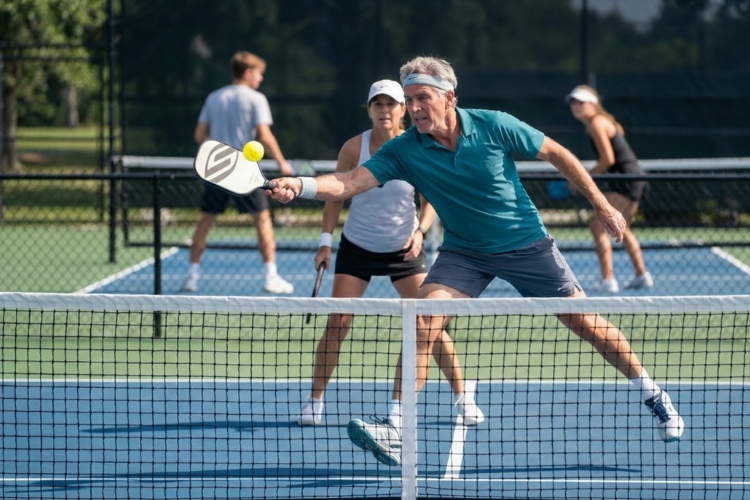
Poaching is one of those high-reward moves that can flip momentum in a game, when it works, it looks bold and smart; when it doesn’t, you and your partner have homework. Done well, poaching lets you apply a ton of pressure on your opponents. Here’s how to poach more reliably and less recklessly. The other day when playing my goal was to be more aggressive, and that include poaching, not only did we win a few points off the poach, but the threat of it cause a few of our opponents returns to go wide.
Know when to poach
Anticipate, don’t guess: Poach after recognizing patterns, weak crosscourt returns, a consistent third‑shot drive to your partner, or an opponent’s tendency to target one side.
Pick moments, not every point: Poaching off every rally telegraphs your plan and opens up gaps behind you. Pick high-probability chances.
Poaching for the 4th shot is a solid plan and a good way for you and your partner to be on the same page.
Positioning and timing
Start slightly off-center: Position a step or two toward the middle to reduce the distance when cutting across.
Move early but compact: A short, quick step before the ball crosses the net sets up better than a long chase. Think controlled burst, not a full sprint.
Commit late: Commit to the poach once you see the opponent’s paddle face and direction, so they don’t end up going behind you.
Footwork & paddle prep
Split step and read: Use a split step as the opponent swings; that tiny rebound gives you balance to explode into the poach.
When starting, only poach to your forehand side, assuming that’s the stronger side. Once you have a lot of confidence in your backhand, you can poach that way too.
Recover path: Plan your recovery, after a poach, step back toward the kitchen line to cover your lasered lane.
Communication cues
Let your partner know that you may poach, you can talk to them before the new point starts, or use a hand signal if they are returning and you are already at the kitchen.
Talk after the point: Debrief briefly about why a poach worked or didn’t to refine timing and trust.
It’s super important that your partner is still ready to play the ball. If your opponent hits a shot that you can’t get to, your partner still has to play it.
Mitigate risk
Use deception sparingly: Faked poaches can bait weak returns, but mix them with real attempts so opponents can’t predict you.
Stay patient: If opponents notice and target the exposed alley, ease off until you’ve reset positioning.
Final thought
Poaching is a balance between aggression and coordination. The best poaches look effortless because you and your partner are both ready for it. Work on reads, keep communication small and clear, and treat poaches as calculated plays, the sort that win points and earn high‑fives, not apologies.