
Hard Truths About Pickleball
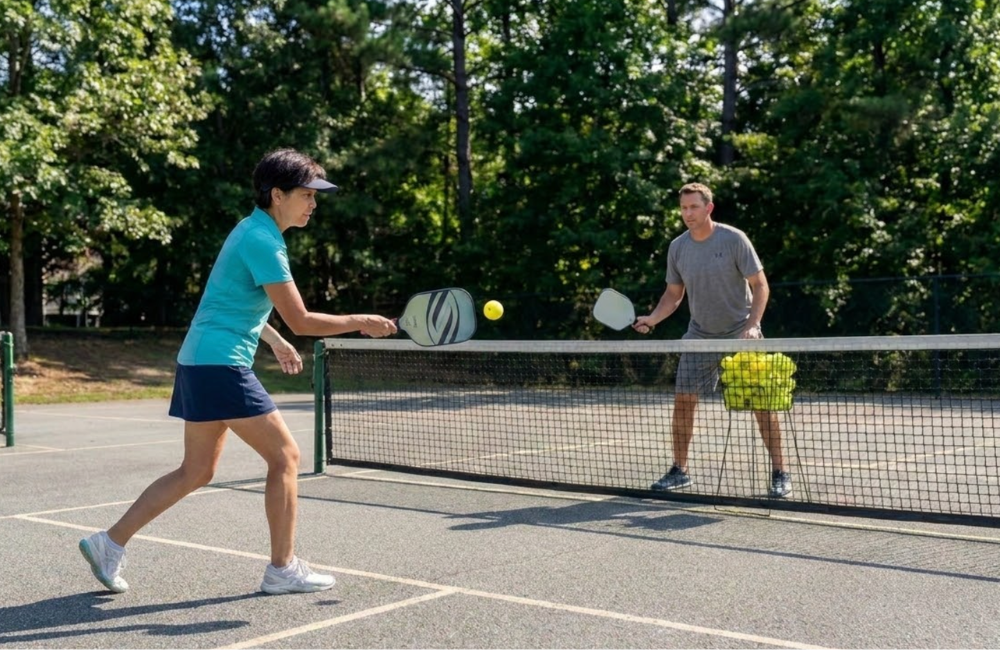
Hard truths can be tough to hear. Here are some blunt but useful realities of pickleball that separate happy regulars from the delusional court philosopher.
At some point you’ll stop improving…unless you drill. And even then, at some point you’ll stop improving.
You can play every night and still stop improving. Skill gains require deliberate practice: targeted drills, honest feedback, and repetition on things you actually mess up. Random matches build experience, not mastery. If you want progress past “good enough,” schedule practice blocks, 20 minutes of focused dinks, 10 minutes of third‑shot drops, footwork ladders, not just more casual play. Even then, at a certain level gains will stop. It’s up to you when that happens.If hard shots bug you, it’s your fault
It’s easy to grumble about people who crush every drive. Reality: either learn to handle pace or avoid those games. Saying “I hate hard shots” because they’re uncomfortable is honest; blaming the hitter is a dodge. Want to tolerate pace? Do reaction drills, improve your split‑step timing, strengthen your forearms, and practice blocking. The best antidote to fear is preparation.You’re probably not as good as you think
Competitive humility helps. Most of us overrate our skills until we face someone slightly better. Use objective measures: video your play, track unforced errors, or ask a coach for a rating. When the ego takes a hit, it clears space for learning. Confidence is great; complacency isn’t.Pickleball alone isn’t complete fitness
Great news: pickleball is fun and keeps you active. Reality check: it’s not a full conditioning program. You’ll still benefit from strength work (full-body), mobility, and cardio intervals to prevent injury and improve recovery. Cross‑train with short strength sessions, mobility flows, and some steady cardio to stay resilient across seasons.This is not a fad
Pickleball’s not going away. It’s social, accessible, and increasingly competitive, which means courts will be busy, skill ceilings will rise, and standards will evolve. Accept that the scene will professionalize. Learn, adapt, and enjoy the ride.
Final thought: honesty is liberating. Face the hard stuff, pick one measurable habit to change (drill, gym, lesson), and track it. Most players who stick with it see small wins that add up to big satisfaction. Keep the fun, lose the excuses, and play smarter — not just more.