
Get a Grip - The Key to Leveling Up
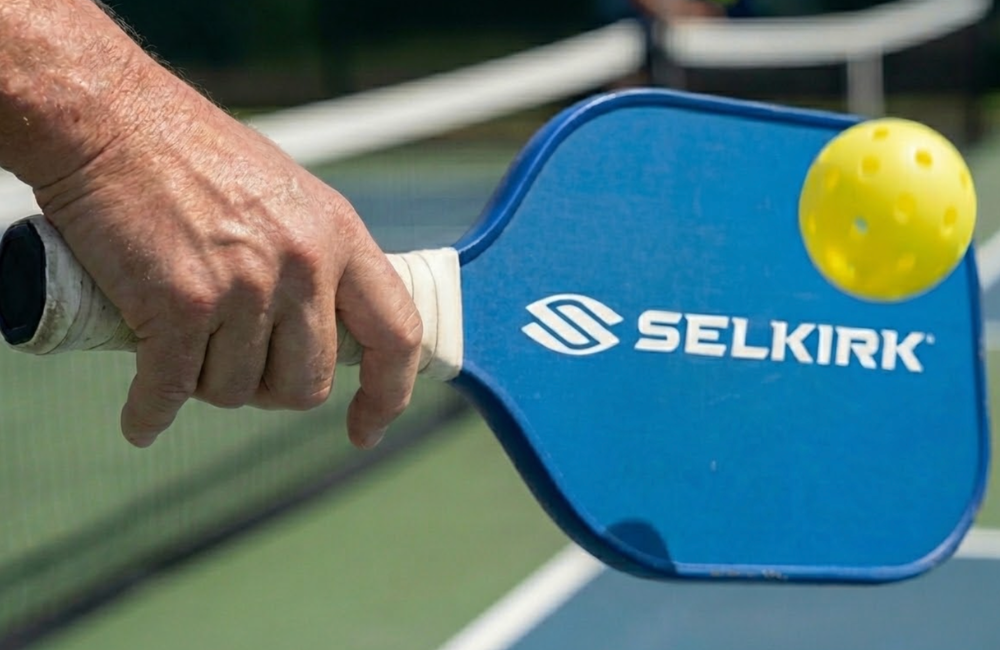
Joyce and I spent the last weekend at pickleball camp. So fun! One of the key takeaways was that I have to loosen my grip. Grip tightness, or lack thereof, is the sneaky key to good pickleball.
Clench up and your shots lose feel, your wrist locks, your reaction time slows, and your arm starts complaining by the third game. Loosen your grip, and suddenly the game gets smoother, more precise, and far less sore the next day. Here’s why letting go helps, and how to practice it without turning every shot into a noodle.
Better touch and finesse
A relaxed grip gives your wrist and forearm freedom to absorb and redirect pace. That’s golden for dinks, drop shots, and anything requiring soft hands. When your paddle is a rigid extension of a clenched fist, you get blunt, bouncy returns. Loosen up and you get nuance: softer placement, subtle angles, and better control at the kitchen. This helped turn my drops into an actual shot I can use vs either hitting the net or serving up a meatball for my opponents.
More reliable spin and control
Spin needs movement, wrist flexion, small rotations, and gentle follow‑through. A tight fist kills wrist articulation. A lighter grip lets you create spin with minimal effort, meaning cleaner crosscourt dinks and more bite on drives without swinging harder.
Faster reactions and quicker resets
Tension slows you down. Looser hands let the paddle move faster in response to surprises: quick blocks, reaction volleys, and last‑second adjustments. You’ll find you can get paddle to ball without over‑committing your whole body.
Less fatigue, fewer injuries
A vice grip burns out forearms and feeds overuse injuries like tennis elbow. Relaxed gripping distributes load to bigger muscles, shoulders, core, hips, and preserves stamina. Play longer, enjoy fewer aches, and keep your elbows happy.
When to tighten up (yes, sometimes you should)
Not every shot calls for a feather touch. There are moments, like block volleying at the kitchen line, punching a short ball, or finishing a putaway drive, where a firmer, controlled squeeze is useful. Tighten just enough to stabilize the paddle face and transmit force cleanly; think “brief lock” rather than permanent clamp. For example, on a block volley at the NVZ, a firmer grip helps absorb pace and direct the ball with minimal swing. Then immediately relax for the next dink.
How to practice a looser-but-ready grip
Grip scale: Rate pressure 1–10. Aim for 3–4 for dinks and drops, 5–6 for volleys, and 6–7 when you expect to punch.
Final thought: loosening your grip isn’t being lazy, it’s being smart. Tighten briefly when the situation calls for it, then let go. Your rallies, and your elbow, will thank you.
