
Collagen for Pickleballers: Keep Your Joints Game‑Ready
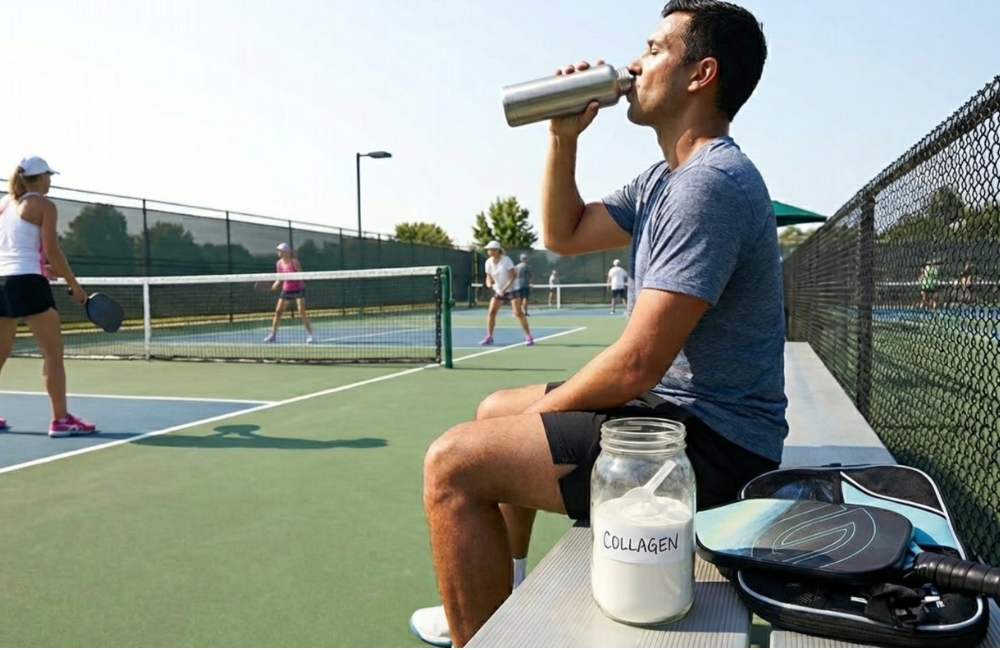
Collagen supplements have quietly become the gym bag staple for athletes who want healthier joints, less creaky knees, and maybe even plumper skin. For pickleball players, who rely on quick pivots, repeated lunges, and lots of wrist action, collagen can be a useful tool in the recovery toolbox. Here’s the practical lowdown without the hype.
What collagen does (and why it matters)
Collagen is the structural protein in tendons, ligaments, cartilage, and skin. As we age, collagen production drops, and repetitive court stresses add wear and tear. Supplementing hydrolyzed collagen (short peptides) provides building blocks, amino acids like glycine and proline, that may support repair and resilience of connective tissues over time.
What the research says
Clinical trials suggest collagen, taken consistently, can reduce joint pain and improve function in athletes and people with activity‑related knee discomfort. Some studies pairing collagen with light loading exercises (strength or rehab work) show better tendon or joint outcomes than exercise alone. It’s not an instant fix, think weeks to months of consistent use for measurable benefit.
How to use it
Type: Hydrolyzed collagen peptides (bovine or marine) are the common, well‑studied option.
Dose: Typical effective doses are 5–15 grams per day. Many studies use 10 grams daily.
Timing: Take daily, some protocols recommend 30–60 minutes before activity to support turnover, but consistency matters more than timing.
Pair it with vitamin C: Vitamin C is crucial for collagen synthesis. Take collagen with a vitamin C–rich snack or a small supplement (orange, kiwi, or 50–100 mg vitamin C).
Practical benefits for pickleballers
May ease joint discomfort from repetitive motions and quick direction changes.
Can support tendon health (useful for elbows/wrists) especially when combined with targeted strength work.
Helps recovery in players who train frequently or play tournament weekends back‑to‑back.
Safety and caveats
Generally safe with low side effects; choose reputable brands third‑party tested for purity.
If you have fish allergies, avoid marine collagen. Bovine collagen is common; there’s also chicken‑derived Type II collagen used for cartilage.
Collagen complements, not replaces, rehab: strength training, mobility, load management, and proper mechanics are essential.
If you have autoimmune issues or specific medical concerns, check with a clinician.
Foods vs. supplements
Bone broth and gelatin provide collagen precursors but in lower, variable doses. Supplements make dosing simple and predictable.
Bottom line
Collagen supplementation is a low‑risk, potentially helpful strategy for pickleball players who want to support joint and tendon health, especially when used alongside strength work and sensible recovery. Don’t expect magic overnight, but consistent use (plus a squirt of vitamin C and targeted exercise) can help keep you moving, pivoting, and celebrating those great rallies a little longer.
