
A Strong Foundation: Your Feet on the Court
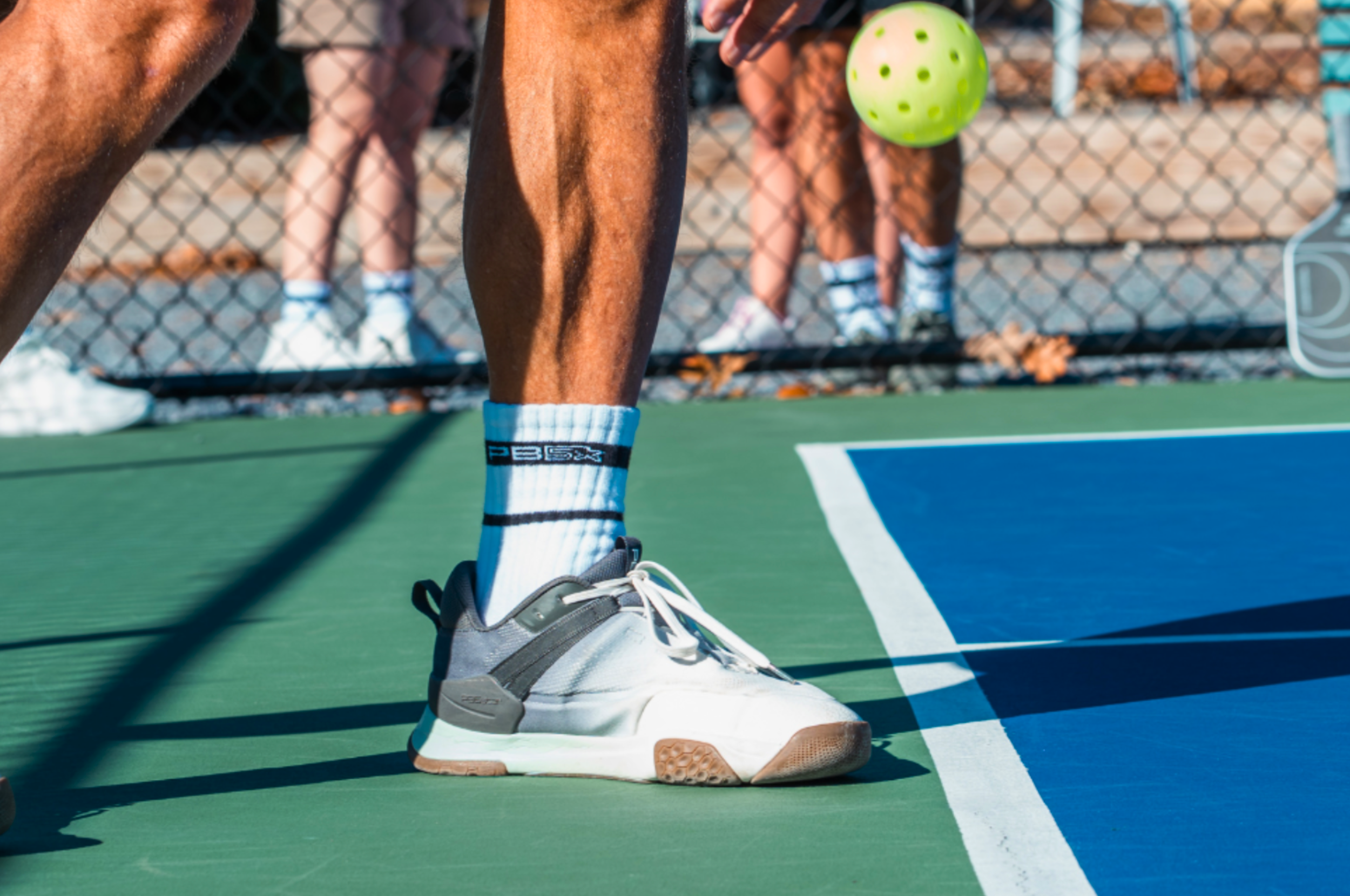
The overlooked base that powers every move you make
Napoleon famously said, “An army marches on its stomach.” Cute line, but more realistically: an army marches on its feet. Soldiers have long known that foot health is non-negotiable—and while you’re not marching into battle, you are stepping onto the pickleball court several times a week. The principle holds: your feet are your foundation, and when they’re neglected, everything above them—from ankles to knees to hips—pays the price.
For pickleball players, healthy feet don’t just mean comfort. They mean quicker reaction time, better balance at the kitchen line, and protection from overuse injuries like plantar fasciitis (a.k.a. that stabbing heel pain that can turn a dink rally into a nightmare).
Keep It Simple for Your Feet
Forget the overcomplication. When it comes to shoes:
Flat is your friend. Look for shoes with little or no heel lift (“zero drop”). This keeps your body’s natural alignment intact.
Skip the flip-flops. If you can’t run in them, you shouldn’t walk in them. Great for the gym shower, not for daily wear.
Barefoot time matters. At home, being barefoot (or just in socks) lets your feet move like feet—just remember, the benefits only count if you’re actually on your feet, not parked on the couch.
Exercises to Build Pickleball-Ready Feet
You don’t need a fancy program—just a few simple moves done consistently will make a huge difference in foot strength, balance, and injury prevention.
1. Towel Scrunch
Sit in a chair with a towel on the floor under your toes. Keep your heels down and use only your toes to scrunch the towel back toward you. Two to three minutes once or twice a day builds stronger arches and improves your grip on the ground. Once you master it sitting, try it standing for a bigger challenge.
2. Big Toe Extension
Flat foot on the floor. Try to lift just your big toe while pressing the other four toes down. No cheating with your hands. At first, this feels nearly impossible—it’s a “wiring” issue, not a strength issue. Practice rewires the connection. Do 10 reps, three times per day. When you can nail it sitting, level up to standing.
3. Calf Stretch
Face a wall, one leg forward, one leg straight back. Bend the front knee while pressing the back heel into the floor to stretch your calf. Hold 30 seconds, three to four times per day. Flexible calves reduce stress on your plantar fascia and lower your risk of heel pain.
Watch Your Step
Pickleball rewards quick feet and strong foundations. But sloppy habits—heels too high, shoes too flimsy, calves too tight—chip away at that foundation until injuries sneak in. Spend a few minutes a day training your feet the way you train your dinks, and you’ll stay lighter, faster, and pain-free on the court.
