
Is Your Rating Lying to You? The Truth About DUPR
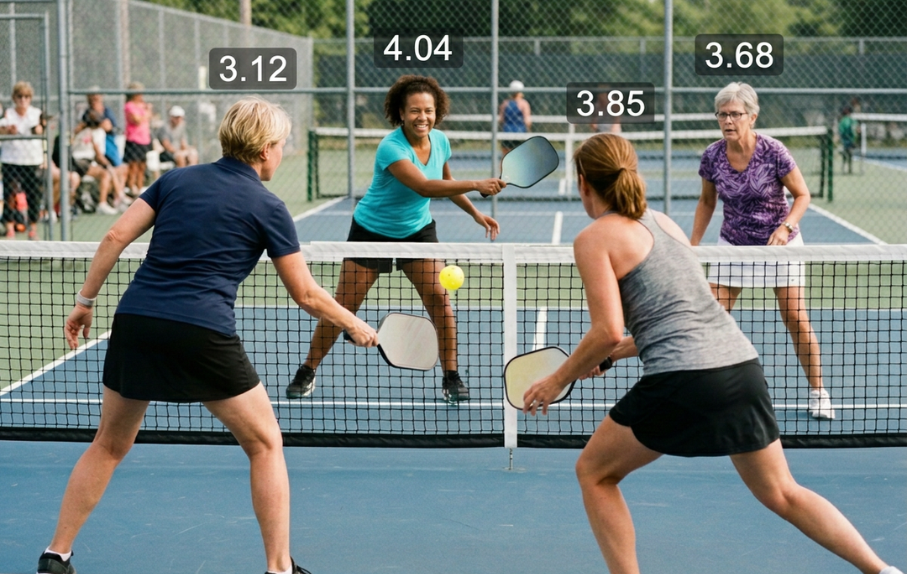
If you have a DUPR rating, you probably know it to two decimal places. And if you're like a lot of pickleball players, you have a pretty strong opinion about whether that number is right.
Here's the uncomfortable truth: your DUPR isn't necessarily lying to you, but it may not be telling you the whole story.
DUPR, or Dynamic Universal Pickleball Rating, is designed to measure your skill based on actual match results. It isn't simply a win-loss record. The system considers your performance relative to what it expected, the ratings of the players involved, how recent the match was, and the type of match. Club and tournament results carry more weight than self-reported recreational games.
That's why you can win a match and watch your rating drop. If you're heavily favored and win 11–8 instead of something closer to the expected score, DUPR may decide you underperformed. Conversely, lose 9–11 to a much higher-rated opponent and your rating could actually rise.
But here's where things get interesting.
Your rating is only as good as the data behind it.
DUPR now gives players a separate Reliability Score from 1–100%. It reflects how much confidence you should have in the rating based on factors including the number, variety and recency of your matches. DUPR considers 60% or higher to be a reliable rating.
That matters. A 3.72 with a 90% Reliability Score tells you something very different from a 3.72 based on a handful of old matches.
And pickleball is particularly tricky to rate. Doubles is a team sport. Your partner matters. Your opponents matter. Your strategy changes depending on who is across the net. And the player you are today may be considerably better—or worse—than the player who generated your rating six months ago.
So should you obsess over your DUPR?
Probably not.
Use it as a measuring stick, not a verdict. A good rating can help you find competitive games, track improvement and enter appropriate events. But your rating isn't your identity as a pickleball player.
The best question isn't, "What's my DUPR?"
It's: "Am I getting better?"
And that's a number no algorithm can fully capture.